
Indian Mid-Sized Steel Mills Observe Downturn

The eight-week period from 18th February to 25th February 2023 witnessed a consistent decline in the prices of mid-sized steel mills in India. The prices dropped by Rs 300-1,600/ton across various locations, with Delhi NCR region having a significant price correction of Rs 1,600/ton.
The main reason for this drop appears to be the decline in consumer buying confidence and the low demand for semi-finished steel. Another factor that contributed to a decline in prices was higher prices, which loose buying confidence of stockists, which led to softening offers during the week.
Currently, primary mills’ TMT offers (long steel product) have been recorded at around Rs 62,300-63,000/ton ex-works Mumbai and Delhi, while mid-sized mills’ secondary TMT is around Rs 52,300-52,800/ton ex-Delhi and Rs 56,000-56,500/ton ex-Mumbai.
During the week, there were no significant bulk bookings, which caused the market to perform slowly. Due to selling pressure in TMT compared to previous week, sellers had to offer their material at low rates.
The majority of mid-sized (secondary) steel mills were seen clearing pending orders and inventories at plants.
Insight
During the eighth week of 2023, mid-sized steel mill prices experienced a significant decline in the domestic market. This can be attributed to a combination of low demand and continuous price adjustments in the semi-finished steel sector. The decrease in demand may be due to various factors, such as a slowdown in economic activity or a shift in consumer preferences. The continuous price corrections in semi-finished steel also had an impact, causing a ripple effect throughout the steel industry, including mid-sized steel mills. This market trend may have significant implications for the steel industry and the broader economy.
Read more: https://www.ofbusiness.com/blogs/india-weak-demand-weighs-on-sponge-iron-prices/21163
Suggested Readings

MS Angle and Channel: Difference, Sizes & Weight
TL;DR: MS angle is an L-shaped steel section for bracing and light framing. MS channel is a C-shaped section that carries load across a span. Angles cost less to fabricate, while channels resist bending better. They are not interchangeable. This guide compares shape, weight, size, and cost, so fabricators and contractors can pick the right

ISMC Size Chart: MS Channel Weight per Meter, Sizes & Uses
TL;DR: MS channels come in standard ISMC sizes under IS 808, each with a fixed weight per meter that determines load capacity and material cost. ISMC 100 weighs 9.56 kg/m; ISMC 150 weighs 16.80 kg/m; ISMC 200 weighs 22.30 kg/m. This guide covers the full size chart, procurement checklist, and how to source verified MS
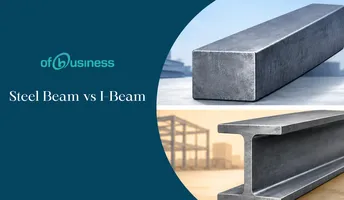
Steel Beam vs I-Beam: Structural Differences Explained
TLDR: Steel beam vs I-beam is a key comparison in construction, affecting strength, cost, and design. This guide explains structural differences, I-beam vs H-beam, beam dimensions, and standard I-beam sizes with charts. Understand steel beam vs I-beam clearly to choose the right section for better load performance and efficient material use. The comparison between steel

