
Pig Iron Prices Rebound In Central And Eastern India On Improve Demand

After experiencing a constant drop since the second half of April 2023, Pig Iron prices in India’s central and eastern regions have risen during the current week. The prices have recovered on increased demand following the improvement in Steel demand and prices in the domestic market, along with a slight price recovery in imported Coal prices.
Factors Driving The Price Increase, Ofbusiness learned are:
The Indian Steel prices have increased by Rs 500-1,000/ton in the last two-three days. Prices of substitute products such as Sponge Iron and Scrap have also increased up to Rs 1,000/ton in major locations. The demand for Pig Iron has increased following the improvement in Steel demand and prices in the domestic market.
The price of Australian premium Coking Coal has rebounded by $15/ton and is currently hovering at $260-265/ton as against $245-250/ton CFR India at the beginning of May 2023. The overall increase in prices of Steel and Raw Materials, including the demand in the domestic market, has supported the Indian Pig Iron industry, which was sluggish in April 2023.
In addition, the recent news of stuck imported Scrap containers in Indian ports has fuelled the trend upwards in terms of Scrap and Pig Iron demand in the domestic market, leading to price support in Steel products including Pig Iron Industry.
Current Prices
- The latest offers through Durgapur-based mills for Steel-grade Pig Iron are reported to be around Rs 43,000-43,500/ton ex-works in east India, while in central India’s Raipur market, the prices stand around Rs 42,300-42,500/ton. These prices have increased by Rs 1,000/ton in Raipur and Rs 1,500/ton in Durgapur against the previous week’s offers.
- For Foundry grade Pig Iron, the prices have remained volatile by Rs 300-500/ton week-on-week, with current offers ranging from Rs 45,000-45,000/ton in Ludhiana, Rs 45,800-46,000/ton in Delhi, and Rs 47,500-48,000/ton in Ahmedabad on a delivered basis.
OFB’s Insight
The recent increase in Pig Iron prices in India’s central and eastern regions is driven by improved Steel demand and prices in the domestic market. The slight price recovery in imported Coal has also supported the price increase. While the prices of substitute products such as Sponge Iron and Scrap have also increased, the overall increase in prices of Steel and Raw Materials has supported the Indian Pig Iron industry. However, the prices for Foundry-grade Pig Iron have remained volatile.
Read more: Surging TMT Prices: What’s Behind Sudden Spike In The Domestic Market?
Suggested Readings

ISMC Size Chart: MS Channel Weight per Meter, Sizes & Uses
TL;DR: MS channels come in standard ISMC sizes under IS 808, each with a fixed weight per meter that determines load capacity and material cost. ISMC 100 weighs 9.56 kg/m; ISMC 150 weighs 16.80 kg/m; ISMC 200 weighs 22.30 kg/m. This guide covers the full size chart, procurement checklist, and how to source verified MS

MS Angle and Channel: Difference, Sizes & Weight
TL;DR: MS angle is an L-shaped steel section for bracing and light framing. MS channel is a C-shaped section that carries load across a span. Angles cost less to fabricate, while channels resist bending better. They are not interchangeable. This guide compares shape, weight, size, and cost, so fabricators and contractors can pick the right
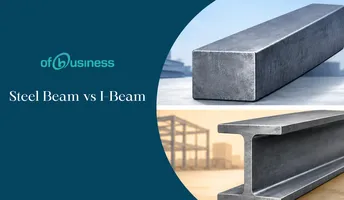
Steel Beam vs I-Beam: Structural Differences Explained
TLDR: Steel beam vs I-beam is a key comparison in construction, affecting strength, cost, and design. This guide explains structural differences, I-beam vs H-beam, beam dimensions, and standard I-beam sizes with charts. Understand steel beam vs I-beam clearly to choose the right section for better load performance and efficient material use. The comparison between steel

