
India’s Wheat Production And Inflation: Understanding The Link

Wheat is one of the essential staple crops grown in India, and its production plays a crucial role in determining the country’s overall agricultural output. It is also a significant contributor to the food basket of the nation. Thus, any fluctuations in wheat production can have a major impact on the economy, especially when it comes to inflation. In this article, we will explore the relationship between wheat output and inflation and examine the measures taken to control the price rise.
Cascading Effect
Wheat production is highly dependent on weather patterns, and any adverse weather conditions can severely impact production levels. In India, wheat production has been on the rise over the past few years, owing to favorable weather conditions and government initiatives. However, a sudden dip in wheat output can lead to a supply shortage, resulting in a rise in prices. This, in turn, can have a cascading effect on inflation, causing it to increase.
Wheat Price Hike: Impact On Inflation
Any increase in wheat prices can affect inflation in various ways, here are the two prominent ways:
- Firstly, the increase in the wheat price can lead to an increase in the price of other food items such as bread, pasta, and biscuits. This, in turn, can cause an increase in the Consumer Price Index (CPI), which measures the inflation rate.
- Secondly, the rise in food prices can reduce the disposable income of individuals, causing them to cut back on other expenditures, leading to a decrease in aggregate demand. This can also result in a rise in unemployment and further contribute to inflation.
Inflation Control Measures
The government takes several measures to control inflation, especially in the food sector such as:
- Price Regulation- Time and again, the government regulates the prices of essential commodities such as wheat, rice, and sugar to a certain extent, to ensure that they are available to consumers at reasonable rates.
- Increase MSP- The government tries to intervene and strike a balance by increasing the Minimum Support Price (MSP) of wheat to encourage farmers to produce more wheat and ensure a stable supply.
Apart from these measures, here is what more the government can do:
- Other Measures- The government can take other measures such as increasing agricultural productivity through technology and infrastructure upgrades, reducing the transportation costs of essential commodities etc.
Insight
Wheat production and inflation are intricately connected, and any disruptions in wheat production can cause a rise in inflation. It is essential for the government to ensure that wheat production remains stable and that farmers are encouraged to produce more wheat. This can not only ensure a stable food supply but also contribute to the overall growth of the economy.
Read more: Punjab State Budget 2023-24 Prioritizes Agriculture And Farmers’ Welfare
Suggested Readings
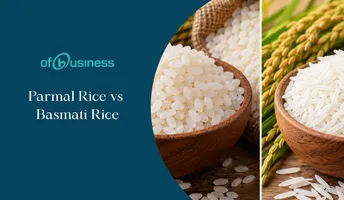
Parmal Rice vs Basmati Rice – Nutrition, GI and Health Benefits of Indian Varieties
TL;DR: Parmal rice is a non-aromatic, protein-rich variety from Punjab and Haryana with a low glycemic index — making it a practical choice for everyday health-conscious consumption. Basmati offers balanced amino acids, superior aroma, and a medium GI. Indrayani supports digestive health and carries a medium GI. This guide covers the nutritional profiles and GI

Edible Oil Importers in India: Duties, Supply and Industry Outlook
TL;DR: India’s vegetable oil imports fell 29% year-on-year in June 2026, but cumulative imports between November 2025 and June 2026 remained 6% higher. Lower domestic stocks, slower oilseed crushing and festive-season demand may support stronger imports in the coming months. Palm oil remains India’s largest imported edible oil, while India soybean oil imports have increased
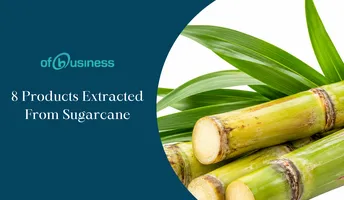
8 Products Extracted From Sugarcane (Apart From Sugar And Ethanol)
Sugarcane is an incredibly versatile crop, there is a reason why it has been cultivated for thousands of years. It's one of the most popularly cultivated crops across the world, with over 80 countries cultivating it. Part of the reason for its success is its vast array of products that are made from sugarcane. Sugar and ethanol are two products derived from sugarcane and these two products are well known. But that’s not it. There are other products derived from sugarcane as well. In this article, we will describe other derived products derived from sugarcane as well.

