
Pulse Of Protein: Exploring Alternative Protein Sources Amid Rising Dal Prices In India
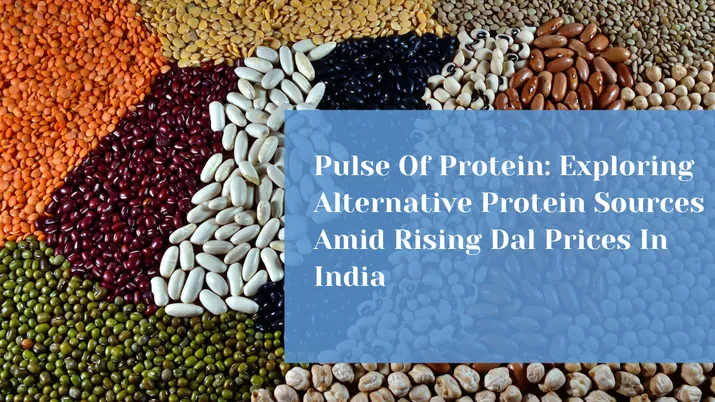
Protein is a must-have nutrient required for growth, building muscle mass, and repairing body tissues. Pulses are the major source of proteins and are an integral part of the Indian diet. However, with the increase in the pulses cost, vegetarians are looking for alternatives to meet their daily protein requirements. In this article, we will explore various protein sources that can be included in the diet to maintain good health.
Importance Of Protein
As aforementioned, protein is an essential nutrient that plays a crucial role in building muscle mass and repairing muscles, bones, cartilage, and skin. It is also required to produce enzymes, hormones, and other body chemicals. Just one-third of the food budget is spent on protein-rich foods, even though the daily dietary protein needed is between 0.8 and 1 gram/kg of body weight.
Four Best Alternative Protein Sources
1. Legumes And Beans
Legumes and beans are good protein sources. Even chefs are exploring various ways to incorporate them into their menus. Soaking legumes overnight is an easy way to prepare them, and they can be ground into a paste, which is loaded with protein and nutrition. Chickpeas are also an excellent meat replacement and source of plant protein, and their adaptability across the food industry makes them a preferred choice.
2. Grains
Cereals like maize, rice, and wheat, are good sources of protein, containing up to 9% protein. Grains with higher amounts of protein like ragi, quinoa, oats, buckwheat, and amaranth, are also good options. They provide far more protein as compared to rice and wheat.
3. Vegetables
Vegetables are surprisingly good sources of protein. Peas, broccoli, and spinach each contain 7 grams of protein, whereas potatoes, cauliflower, okra, avocado, mushrooms, and french beans each include 5 grams of protein, and beets contain grams of protein. Jackfruit, soybean, and mushrooms are other vegetables that have taken centre stage in homes to compensate for protein from dals.
Plant protein has been consumed traditionally across India, with dishes like ragi mudde, bhutte ki kees, sattu ka parantha, and dalma, being popular. Sangri, which has 53% protein, can be integrated into the diet in a vegetable dish, pickle, or even kadhi. In Uttarakhand, bhaat, a fermented soybean saag, which is rich in protein and easy to absorb, is eaten.
4. Dairy
Dairy is an excellent source of protein and comes to the rescue of vegetarians. Good-quality protein can be found in milk, and milk products such as cheese, paneer, yoghurt, greek yoghurt, and buttermilk.
Insight
In India, the plant-based protein market is growing and is expected to reach a value of around $995.08 million by 2028. A 2020 meta-analysis found that consuming plant-based protein is significantly connected with a lower risk of cardiovascular disease and all-cause death when compared to diets high in animal protein. These findings imply that a diet higher in plant-based protein than animal-based protein may favour longevity.
Read more: Exploring The Nutritional Profiles Of Different Rice Varieties Found In India
Suggested Readings
Parmal Rice vs Basmati Rice – Nutrition, GI and Health Benefits of Indian Varieties
TL;DR: Parmal rice is a non-aromatic, protein-rich variety from Punjab and Haryana with a low glycemic index — making it a practical choice for everyday health-conscious consumption. Basmati offers balanced amino acids, superior aroma, and a medium GI. Indrayani supports digestive health and carries a medium GI. This guide covers the nutritional profiles and GI

Edible Oil Importers in India: Duties, Supply and Industry Outlook
TL;DR: India’s vegetable oil imports fell 29% year-on-year in June 2026, but cumulative imports between November 2025 and June 2026 remained 6% higher. Lower domestic stocks, slower oilseed crushing and festive-season demand may support stronger imports in the coming months. Palm oil remains India’s largest imported edible oil, while India soybean oil imports have increased
8 Products Extracted From Sugarcane (Apart From Sugar And Ethanol)
Sugarcane is an incredibly versatile crop, there is a reason why it has been cultivated for thousands of years. It's one of the most popularly cultivated crops across the world, with over 80 countries cultivating it. Part of the reason for its success is its vast array of products that are made from sugarcane. Sugar and ethanol are two products derived from sugarcane and these two products are well known. But that’s not it. There are other products derived from sugarcane as well. In this article, we will describe other derived products derived from sugarcane as well.