
Indian Pellet Industry Observes Limited Trades, Prices Likely To Be Affected

The Indian pellet industry is currently facing a challenging time due to declining steel prices and limited trade. This situation has been primarily caused by the drop in mid-sized steel makers’ prices, which has led to low buying interest in the prevailing pellets prices. In this article, we will highlight the current situation, its impact on the industry, and its prospects.
Current Situation: Prices And Trade
Fe 63% pellets are currently being offered at around Rs 9,800-10,000/ton ex-Raipur and about Rs 10,000/ton ex-works in Durgapur, with only a few deals being reported. The situation does not look promising as trade experts predict further price cuts in the future if the current scenario remains unchanged.
Sponge iron prices have also dropped by Rs 1,000-1,500/ton in a week, particularly in the central and eastern regions. This drop had a ripple effect when it comes to the Indian pellet industry, resulting in declined demand and trade uncertainty among producers.
Impact On Indian Pellet Industry
Mid-sized steel makers’ declining prices have put further pressure on the Indian pellet industry, resulting in low buying interest on prevailing prices. Pellet producers in central and eastern regions have kept their prices stable against the previous week. However, buying interest continued lower, which seems to further put pressure on prices if buying remains poor for the sponge iron and billet in the domestic market, including finished steel products.
Insight
Buyers have been hesitant to place fresh raw materials orders for pellets and iron ore due to poor demand for sponge iron and the possibility of further price cuts. The recent Odisha Mining Corporation’s iron ore auction held for about 1 million tons also received a moderate response as the auction bids were near base prices, which has put buyers in cautious mode. Ultimately, it resulted in postponing spot demand for pellets by most steel mills in domestic markets, along with falling sponge iron and billet offers.
Read more: Steel Demand Lowers Continuously: Indian Ferrous Scrap Market Remains Sluggish
Suggested Readings

MS Angle and Channel: Difference, Sizes & Weight
TL;DR: MS angle is an L-shaped steel section for bracing and light framing. MS channel is a C-shaped section that carries load across a span. Angles cost less to fabricate, while channels resist bending better. They are not interchangeable. This guide compares shape, weight, size, and cost, so fabricators and contractors can pick the right

ISMC Size Chart: MS Channel Weight per Meter, Sizes & Uses
TL;DR: MS channels come in standard ISMC sizes under IS 808, each with a fixed weight per meter that determines load capacity and material cost. ISMC 100 weighs 9.56 kg/m; ISMC 150 weighs 16.80 kg/m; ISMC 200 weighs 22.30 kg/m. This guide covers the full size chart, procurement checklist, and how to source verified MS
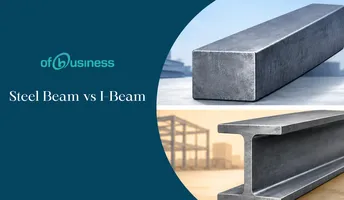
Steel Beam vs I-Beam: Structural Differences Explained
TLDR: Steel beam vs I-beam is a key comparison in construction, affecting strength, cost, and design. This guide explains structural differences, I-beam vs H-beam, beam dimensions, and standard I-beam sizes with charts. Understand steel beam vs I-beam clearly to choose the right section for better load performance and efficient material use. The comparison between steel

