
What Is WTO’s Global Trade Forecast In 2023 Amidst Lingering Pandemic And Geopolitical Tensions?
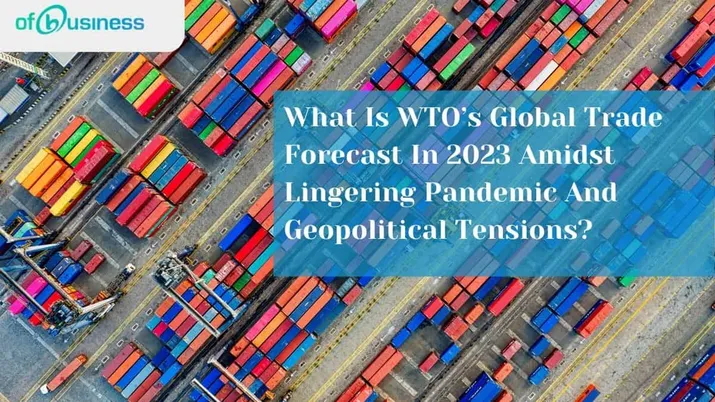
A new analysis from the World Trade Organization (WTO) predicts that after an increase of 2.7% in 2022, the volume of global trade growth in 2023 would only increase by 1.7%. This is a little better than the forecast of 1.0% in October 2021, but it is still less than the 2.6% average for the preceding 12 years. The WTO economists blamed the conflict in Ukraine, persistently rising inflation, stricter monetary policy, and unpredictability in the financial markets for this weak growth. Let’s know more about the international trade trends 2023 in this article.
Highlights Of Global Trade Outlook 2023
- Factors Contributing To 2022 Trade Slump – In 2022, trade growth was weaker than the 3.5% anticipated by WTO in October 2023, mostly because of a significant quarter-over-quarter fall in the 4th quarter. Global commodity prices, monetary policy tightening, and COVID-19 outbreaks that hampered production and trade in China were the main causes of this recession. Despite this, trade growth was 2.4%, somewhat closer to the 3.0% growth forecast in the WTO’s inaugural assessment of the situation in Ukraine from March 2022.
- Importance Of Multilateral Cooperation – Ngozi Okonjo-Iweala, the director general of the WTO, emphasized the significance of preventing trade fragmentation and creating trade barriers. She claimed that, as WTO members at the 12th Ministerial Conference in June 2021, investing in multilateral trade cooperation will, over time, support economic growth and improve people’s standards of living.
- Future Uncertainty And Downside Risks – The WTO trade forecast estimates that trade growth will increase to 3.2% in 2024, although this prediction is tentative because of possible downside risks such as geopolitical tensions, unforeseen changes in the food supply, and unanticipated effects of monetary tightening. In 2023, trade and output are also anticipated to be impacted by COVID-19’s residual impacts and escalating geopolitical tensions, which emphasizes the need for governments and regulators to be aware of financial risks in the near future.
OFB’s Insight
Although it is anticipated that China’s COVID-19 pandemic regulations would be loosened, the overall picture for international trade trends in 2023 remains unfavorable. The WTO report emphasizes the need for multilateral collaboration and warns of the dangers brought on by rising geopolitical unrest and tightening financial conditions.
Read More – Here Are Highlights Of The Indian Manufacturing Purchasing Managers’ Index For March 2023
For real time commodity prices, latest news, and insights, please download the all NEW and all FREE OfBusiness APP.
Suggested Readings

WPI June 2026: What Rising Metal & Chemical Costs Mean
TL;DR: India’s wholesale prices rose 9.87% in June 2026, the fastest pace this year. Metals, chemicals and fuel costs led the increase. If you buy steel, chemicals, or other industrial inputs, this is a good month to lock in pricing and lead times before costs climb further. This guide breaks down which categories are driving

Why Are Sugar Prices Rising in India in 2026? Causes, Rates & Outlook
TL;DR: India’s sugar prices jumped sharply from June 2026 as carryover stocks ran thin ahead of the festive season. Ex-factory UP M-grade sugar touched Rs 5,400 per quintal in August. The government banned exports, opened a duty-free import window, and tightened stock-holding limits. This piece breaks down the causes, state-wise rates, and how bulk buyers
India Steel Sector Growth Q1 FY 2026-27: Production, Prices, Procurement
TL;DR: India Steel Sector grew steadily in Q1 FY 2026-27, with higher production, consumption and imports of finished steel. Prices softened slightly in June across TMT bars, HR coils and other steel products, though they remain higher than last year. This report helps construction and manufacturing buyers plan bulk purchases, track price trends, and source