
Why Food Corporation of India (FCI) Has Halted Wheat (Gehun) Auction under OMSS ?

The recent decision by the Food Corporation of India (FCI) to temporarily halt the sale of wheat through e-auctions under the Open Market Sale Scheme (OMSS) has stirred up the agricultural sector.
Under the OMSS, the government had planned to sell 50 lakh tons of wheat at discounted rates to check the rising prices of wheat and wheat flour. The FCI had already sold 33 lakh tons of wheat through electronic auctions as of March 15; 31 lakh tons of wheat had already been lifted by buyers. The sale of wheat to institutions and state governments has now been stopped, leaving many questioning the government’s decision.
Reasons And Agendas
The government aims at 34.15 million tons of wheat procurement in the marketing year starting April, and this decision is seen as a step towards achieving this target. The move is also in line with the government’s efforts to increase the income of farmers and ensure that they get fair prices for their produce. The government has also taken other steps, such as increasing the minimum support price (MSP) of wheat, to support the farming community.
It is seen as a measure to regulate the wheat market and prevent hoarding, as the procurement of new crops is set to begin next month. However, it has also been met with criticism from bulk buyers, institutions, and state governments.
Market Sentiments And Concern
However, the temporary halt has raised concerns among bulk buyers, institutions, and state governments who rely on the OMSS to procure wheat at discounted rates. Many are worried that this move will lead to a shortage of wheat and wheat flour, leading to a rise in prices. It is essential for the government to balance the interests of all stakeholders in the agricultural sector to prevent such situations from arising.
Insight
The temporary halt of wheat sales through e-auctions under the OMSS is a measure aimed at regulating the wheat market and preventing hoarding. While it has raised concerns among bulk buyers, institutions, and state governments, the government’s decision is understandable given the current situation in the agricultural sector. It is essential for the government to balance the interests of all stakeholders and take steps that benefit the farming community in the long run.
Read more: Is Rashtriya Gokul Mission Good For Indigenous Cow Breeds’ Conservation and Development?
Suggested Readings
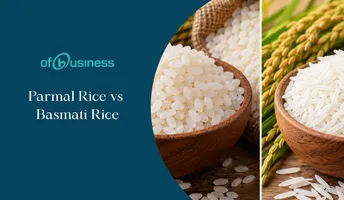
Parmal Rice vs Basmati Rice – Nutrition, GI and Health Benefits of Indian Varieties
TL;DR: Parmal rice is a non-aromatic, protein-rich variety from Punjab and Haryana with a low glycemic index — making it a practical choice for everyday health-conscious consumption. Basmati offers balanced amino acids, superior aroma, and a medium GI. Indrayani supports digestive health and carries a medium GI. This guide covers the nutritional profiles and GI

Edible Oil Importers in India: Duties, Supply and Industry Outlook
TL;DR: India’s vegetable oil imports fell 29% year-on-year in June 2026, but cumulative imports between November 2025 and June 2026 remained 6% higher. Lower domestic stocks, slower oilseed crushing and festive-season demand may support stronger imports in the coming months. Palm oil remains India’s largest imported edible oil, while India soybean oil imports have increased
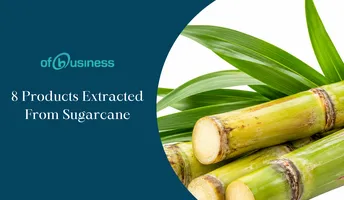
8 Products Extracted From Sugarcane (Apart From Sugar And Ethanol)
Sugarcane is an incredibly versatile crop, there is a reason why it has been cultivated for thousands of years. It's one of the most popularly cultivated crops across the world, with over 80 countries cultivating it. Part of the reason for its success is its vast array of products that are made from sugarcane. Sugar and ethanol are two products derived from sugarcane and these two products are well known. But that’s not it. There are other products derived from sugarcane as well. In this article, we will describe other derived products derived from sugarcane as well.

