
Indian Pig Iron Market Remains Under Pressure On Sluggish Steel Demand

The Indian pig iron market has been experiencing a continuous downtrend as domestic demand remains poor. Mid-sized steel mills’ prices have been falling constantly, leading to a significant drop in pig iron prices since the second half of January 2023.
Reasons For Price Corrections And Current Offers
- The significant pig iron price drop is mainly due to declining steel and scrap prices. Additionally, lower export realizations have kept major buyers away, resulting in fewer positions being taken by Indian smelters. As a result, bookings with pig iron producers have been measured, and suppliers are competing to book more orders.
- Steel prices, including melting scrap, have dropped by Rs 1,000-1,500/ton in a week and overall, about Rs 2,000/ton since the beginning of March 2023.
- Steel-grade Pig Iron Offers- The latest offers for steel-grade pig iron through Durgapur-based mills are around Rs 39,800-40,000/ton ex-works and in Raipur at around Rs 41,000/ton. These prices have dropped up to Rs 1,500/ton in a week’s duration. In northern India, traders in Ludhiana (Punjab) are offering steel-grade pig iron at around Rs 44,000/ton delivered.
- Foundry-grade Pig Iron Offers- The offers for foundry-grade pig iron are reported to be around Rs 46,200-46,300/ton in Ludhiana and about Rs 47,000/ton in Delhi, delivered.
Insight
It is assumed that with the new fiscal year, the demand from major foundries will improve with fresh orders. This may result in an improvement in spot demand in the Indian market, leading to a reaction in prices against the significant drop in the last quarter of FY23.
Read more: Indian Wire Rod Prices Hit Over A Month Low, But Margins Remain Stable
Suggested Readings

ISMC Size Chart: MS Channel Weight per Meter, Sizes & Uses
TL;DR: MS channels come in standard ISMC sizes under IS 808, each with a fixed weight per meter that determines load capacity and material cost. ISMC 100 weighs 9.56 kg/m; ISMC 150 weighs 16.80 kg/m; ISMC 200 weighs 22.30 kg/m. This guide covers the full size chart, procurement checklist, and how to source verified MS

MS Angle and Channel: Difference, Sizes & Weight
TL;DR: MS angle is an L-shaped steel section for bracing and light framing. MS channel is a C-shaped section that carries load across a span. Angles cost less to fabricate, while channels resist bending better. They are not interchangeable. This guide compares shape, weight, size, and cost, so fabricators and contractors can pick the right
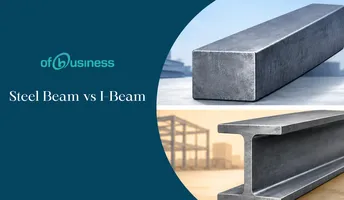
Steel Beam vs I-Beam: Structural Differences Explained
TLDR: Steel beam vs I-beam is a key comparison in construction, affecting strength, cost, and design. This guide explains structural differences, I-beam vs H-beam, beam dimensions, and standard I-beam sizes with charts. Understand steel beam vs I-beam clearly to choose the right section for better load performance and efficient material use. The comparison between steel

