
Bangladesh's Steel Industry Affected By Scrap Steel Shortage And Liquidity Issues

Bangladesh’s steel industry is facing challenges due to the short supply of scrap steel from the UK and EU and the rising prices of imported scrap from the US. The high demand for scrap steel in the US has led to a sharp increase in import prices, which has affected the operations of some steel mills in Bangladesh. In this article, we will discuss the impact of scrap steel shortage and liquidity issues on Bangladesh’s steel industry.
Scrap Steel Shortage
Scrap steel shortage from the UK and EU has forced some steel mills in Bangladesh to reduce output, while some small mills have shut down their operations. Bangladesh was the third largest importer of scrap steel in 2022, but the bulk scrap import has greatly reduced due to the Letter of Credit (LC) issues. The scrap steel shortage has led to an increase in the import scrap prices from the US.
Rising Prices Of Imported Scrap
The shredded scrap offered from the western coast of the US has reached $505/ton, but transactions at this price are few. The high import prices of scrap steel have affected the operations of some steel mills in Bangladesh. The rising prices of imported scrap steel have put pressure on the profit margins of steel mills in Bangladesh, which are already facing challenges due to the scrap steel shortage.
Liquidity Issues
Liquidity issues in Bangladesh have caused delays of 2-4 weeks in the opening of LC, affecting the import of scrap steel into the country. This delay in the opening of LC has made it difficult for steel mills in Bangladesh to import scrap steel, which has affected their operations. The liquidity issues have also affected the steel industry’s ability to import raw materials, leading to a further shortage of scrap steel.
Insight
The steel scrap shortage has led to reduced output while rising import prices and liquidity issues have put pressure on the profit margins of steel mills. The government and stakeholders in the steel industry need to address these challenges to ensure the sustainability of the steel industry in Bangladesh.
Read more: SAIL Receives Export Orders For Special Quality Steel Plates
Suggested Readings
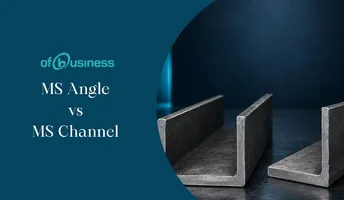
MS Angle and Channel: Difference, Sizes & Weight
TL;DR: MS angle is an L-shaped steel section for bracing and light framing. MS channel is a C-shaped section that carries load across a span. Angles cost less to fabricate, while channels resist bending better. They are not interchangeable. This guide compares shape, weight, size, and cost, so fabricators and contractors can pick the right

ISMC Size Chart: MS Channel Weight per Meter, Sizes & Uses
TL;DR: MS channels come in standard ISMC sizes under IS 808, each with a fixed weight per meter that determines load capacity and material cost. ISMC 100 weighs 9.56 kg/m; ISMC 150 weighs 16.80 kg/m; ISMC 200 weighs 22.30 kg/m. This guide covers the full size chart, procurement checklist, and how to source verified MS

Steel Beam vs I-Beam: Structural Differences Explained
TLDR: Steel beam vs I-beam is a key comparison in construction, affecting strength, cost, and design. This guide explains structural differences, I-beam vs H-beam, beam dimensions, and standard I-beam sizes with charts. Understand steel beam vs I-beam clearly to choose the right section for better load performance and efficient material use. The comparison between steel