
The Death of Steel Locally and Globally
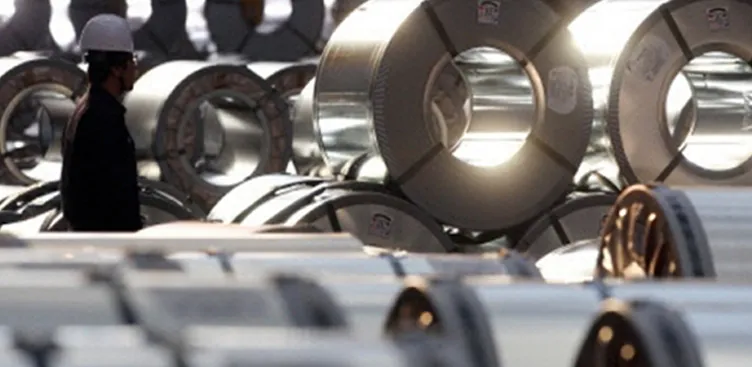
As of the end of last year, the steel industry in India was under the challenge of worsening steel prices and it was not the only affected. The world all over was under a similar challenge. And the main cause of it was due to increased imports from the world’s leading producer, China. Late last year, we witnessed the market undergoing little improvements through the first half of the year.
Domestic steel industries were at first under intense crisis, as we saw most of them shutting down as china continued to multiply its supply to India. But today, the industry is placing its bets on the increasing domestic demand as it works to counter the import glut and predatory pricing that challenged the industry in 2015.
In the middle of the growing domestic demand and spectre of lowly priced steel from China flooding the global markets, analysts predict that the global steel industry for 2016 is not going to get better sooner. However, the case for India is little bit different as the growing domestic demand and the government’s move is going to set the market more profitable as compared to the Asian peers.
2015 was a tough year for the entire world, including US and Europe as the commodity’s prices were faced by deflation which brought the prices down. As in the context of India, the drop in price was rather steeper even more than the raw materials. This led to a great pressure on the operating margins of country’s steel plants.
The threat on India, even though still lingering, was powered by the weaker domestic demand in the major producers of steel in Asia such as China, South Korea and Japan. This caused them to shift their focus more on exports at unduly prices on India, US and Europe. This adversely affected the domestic steel industries. The effect led to some of the steel product prices hitting the lowest prices in ten years in the Indian market.
The poor price predation and excessive imports combined to jeopardise the huge amount of loans which had been raised by the local steel companies to undertake capacity expansion. This situation reflected back on financial health of a number of India’s largest banks. By the end of 2015, the steel industry of India was a great contributor to bad loan problems and Non-Performing Assets of banks.
The steel industry is not only tense in India, but worldwide. However, the Indian industry is deemed much better this year as compared with other countries such as China. Consumption as well as production this year is increasing as reported by Narendra Singh Tomar, the Steel Minister early this year.
The government is also looking after the interest of domestic players, either small or big, by introduction of Minimum Import Price. The introduction of safeguard duties by the government is going to make the increased exports from China have modest positive influence on the local producers’ profitability. Even though the global crisis of steel industry is not expected to better soon, the Indian steel industry is set to perform much better than its peers.
Suggested Readings

MS Angle and Channel: Difference, Sizes & Weight
TL;DR: MS angle is an L-shaped steel section for bracing and light framing. MS channel is a C-shaped section that carries load across a span. Angles cost less to fabricate, while channels resist bending better. They are not interchangeable. This guide compares shape, weight, size, and cost, so fabricators and contractors can pick the right

ISMC Size Chart: MS Channel Weight per Meter, Sizes & Uses
TL;DR: MS channels come in standard ISMC sizes under IS 808, each with a fixed weight per meter that determines load capacity and material cost. ISMC 100 weighs 9.56 kg/m; ISMC 150 weighs 16.80 kg/m; ISMC 200 weighs 22.30 kg/m. This guide covers the full size chart, procurement checklist, and how to source verified MS
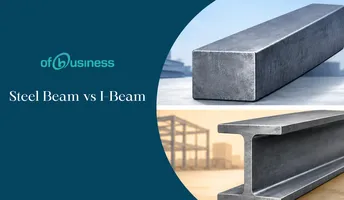
Steel Beam vs I-Beam: Structural Differences Explained
TLDR: Steel beam vs I-beam is a key comparison in construction, affecting strength, cost, and design. This guide explains structural differences, I-beam vs H-beam, beam dimensions, and standard I-beam sizes with charts. Understand steel beam vs I-beam clearly to choose the right section for better load performance and efficient material use. The comparison between steel

